Showing posts with label milk alternatives. Show all posts

Sunday, January 15, 2017

Diet Tips:Milk alternatives on a low FODMAP diet

By CK Yao (Accredited Practising Dietitian, PhD candidate)


The food industry has responded to consumer demand and now produces a large range of milks from plant sources, coconut, and almond.

In our latest Monash University Low FODMAP app update, we included plant-based milks that were tested in collaboration with the dietitians at King's College, London, UK.

Our tests revealed that the majority of European soy milk products were made from soy beans, whereas Australian soy milks were made either from soy beans or soy protein extract. Soy milk made from soy beans tends to be high in the FODMAP, galacto-oligosaccharide (GOS). By contrast, soy milk made from soy protein extract tends to be low in FODMAPs as the carbohydrate component (GOS) is removed in processing.


If you can't find soy milk products made from soy protein extract, low FODMAP milk alternatives include:
·         Almond milk
·         Coconut UHT milk
·         Soy milk made from ‘hulled’ soy beans
·         Hemp Milk  (not available in Australia or NZ, but widely available in Europe and USA)
·         Coconut UHT milk  (small serves)
·         Soy milk made from hulled soy beans (small serves)
      See the Monash App for serving sizes.

Nutrition tip: Whilst plant-based milks are good low FODMAP alternatives, they do not contain the natural benefits of lactose-free dairy products, including calcium, vitamin B12 and phosphorus. These nutrients are important for cognitive function and building strong, healthy bones and teeth.

If you have a dietary requirement for plant-based milks, ensure that the product you choose is calcium fortified (≥120mg/100ml). This will ensure that 1 x 250 ml glass of plant-based milk provides one serve of calcium (based on the Australian Healthy Eating guidelines).
Remember, a low FODMAP diet does not need to be a dairy free diet.


Thursday, January 12, 2017

Diet Tips:Milk alternatives on a low FODMAP diet

By CK Yao (Accredited Practising Dietitian, PhD candidate)


The food industry has responded to consumer demand and now produces a large range of milks from plant sources, coconut, and almond.

In our latest Monash University Low FODMAP app update, we included plant-based milks that were tested in collaboration with the dietitians at King's College, London, UK.

Our tests revealed that the majority of European soy milk products were made from soy beans, whereas Australian soy milks were made either from soy beans or soy protein extract. Soy milk made from soy beans tends to be high in the FODMAP galacto-oligosaccharide (GOS). By contrast, soy milk made from soy protein extract tends to be low in FODMAPs as the carbohydrate component (GOS) is removed in processing .

If you can't find soy milk products made from soy protein extract, low FODMAP milk alternatives include:

  •        Almond milk
  •        Coconut UHT milk
  •        Soy milk made from ‘hulled’ soy beans
  •        Hemp Milk  (not available in Australia or NZ, but widely available in Europe and USA)
  •        Coconut UHT milk  (small serves)
  •        Soy milk made from hulled soy beans (small serves)

      See the Monash App for serving sizes.

Nutrition tip: Whilst plant-based milks are good low FODMAP alternatives, they do not contain the natural benefits of lactose-free dairy products, including calcium, vitamin B12 and phosphorus. These nutrients are important for cognitive function and building strong, healthy bones and teeth.

If you have a dietary requirement for plant-based milks, ensure that the product you choose is calcium fortified (≥120mg/100ml). This will ensure that 1 x 250 ml glass of plant-based milk provides one serve of calcium (based on the Australian Healthy Eating guidelines).

Remember, a low FODMAP diet does not need to be a dairy free diet.


Saturday, December 31, 2016

Diet Tips:Getting Enough Calcium on a Low FODMAP Diet

By Erin Dwyer (Dietitian)


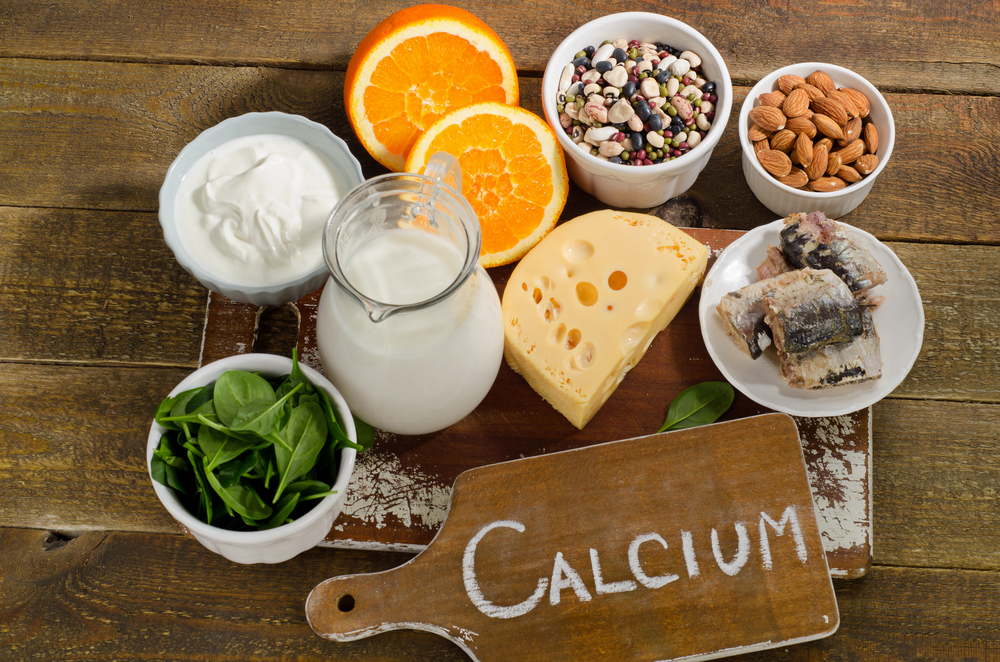
Calcium is a nutrient required for normal development of our bones as well as the proper functioning of our cardiac and neuromuscular systems. Diets low in calcium have been associated with osteoporosis – a weakening of bones that can fracture easily.
 
The best source of calcium is dairy, it is a convenient source and the body is able to absorb the calcium well. However, many dairy products contain lactose, the naturally occurring sugar that can increase gastrointestinal symptoms for some people. Therefore, during the initial elimination phase of the low FODMAP diet, people may restrict their dairy intake to lower the amount of lactose in their diet.
 
The amount of calcium you need daily depends on your age and gender, look at the table below to work out how much calcium you need per day

Males
RDI/day
Females
RDI
19-30
1000mg
19-30
1000mg
31-50
1000mg
31-50
1000mg
51-70
1000mg
51-70
1300mg
>70
1300mg
>70
1300mg

Source: Nutrient Reference Values for Australia and New Zealand 
 
Below are some dietary strategies to ensure your calcium intake remains adequate if you are restricting lactose and a sample meal plan too. 
  • Tip 1: Hard cheeses like cheddar contain minimal lactose and can be enjoyed throughout the day. Check out the Monash Low FODMAP App for types and serve sizes.
  • Tip 2: Non-dairy milks like Almond or Rice milk naturally don’t contain much calcium, but are appropriate on a low FODMAP diet, so look for milks that have been fortified with calcium – aim for a milk with 120mg or more of calcium per 100g of milk.
  • Tip 3: Try using plain, firm tofu as a protein source in your lunch or dinner – it contains high amounts of calcium and adds variety to your diet.

Sample Low FODMAP Meal plan with adequate calcium

MEAL
IDEAS
CALCIUM
Breakfast
Gluten free Weetbix with almond milk, strawberries and 1 teaspoon of chia seeds.

~ 64mg
Morning Tea
Lactose free yoghurt, 200g

~310mg
Lunch
Sandwich – low FODMAP bread with slice of cheese, canned tuna, spinach, tomato and ⅛ avocado

~320mg
Afternoon Tea
30g almonds and 1 medium banana

~75mg
Dinner
Spaghetti bolognaise served with ½ cup broccoli and 20g parmesan cheese

~290mg

TOTAL: ~1059mg
Extra: If your requirements are 1300mg
Add 1 cup of  lactose free milk or plant based milk fortified with calcium                                                                      

~250mg

TOTAL:~1309mg

For other calcium rich meal ideas take a look at our older blog posts