By Lyndal McNamara (APD)
As a dietitian, I often see patients who have just been diagnosed with lactose intolerance and understandably assume that this means they need to avoid all dairy products. You will be relieved to know that this is certainly not the case! In fact, most dairy products can still be enjoyed on a low lactose diet. But first, what exactly is lactose and what does a diagnosis of lactose intolerance really mean in terms of diet?
What is lactose and what is lactose intolerance?
Lactose is a type of sugar found most commonly in milk and other dairy products. When foods/drinks containing lactose are consumed, the body needs the help of an enzyme named lactaseto break down the lactose sugar into smaller pieces for digestion and absorption (see picture below). Individuals who have lactose intolerance make less lactase enzyme, so may find it difficult to digest lactose properly when they consume a large amount of a lactose-containing food/drink. This can ultimately result in unpleasant symptoms such as bloating, wind, stomach cramps and diarrhoea.
What is the difference between lactose intolerance and an allergy to dairy?
Lactose intolerance should not be confused with a dairy allergy. A true food allergy is an adverse reaction to a food that involves the body’s immune system and can result in severe symptoms that can even be life threatening. Someone with a dairy allergy may experience severe symptoms even if they consume minute quantities of a dairy product; it is therefore usually essential that they strictly avoid all dairy. Lactose intolerance is different in that consumption of small to even moderate amounts of lactose may not actually trigger any symptoms. Despite the symptoms of lactose intolerance being unpleasant, exposure to too much lactose will not result in life threatening symptoms. Strict avoidance of lactose is therefore unnecessary.
How much lactose can I have before experiencing symptoms?
This will vary between individuals, however research suggests that most people with lactose intolerance can tolerate 12-15g of lactose per day (equivalent to up to 250ml of regular milk) and possibly even more if lactose consumption is spread throughout the day rather than in a single sitting. (1-3)
Is there anything I can take/do to improve my tolerance to lactose?
Lactase enzyme products (tablets or drops) are available at most pharmacies and may assist with lactose digestion when taken with a lactose containing food. Consuming lactose containing foods together with other foods may also improve tolerance.(3)
How much lactose do dairy products actually contain?
As you can see from the table below, this is very variable! Whilst regular milk is high in lactose, many common cheeses such as cheddar, feta and even soft cheeses like brie and camembert contain virtually no lactose in a typical serve. Whilst yoghurt is listed as a high lactose food, there are many varieties available that are low lactose or even lactose free that are usually well tolerated. Try yoghurts that have added live bacterial cultures, as these are usually easier to digest. Lactose free varieties of many dairy products including cow’s milk, cream, sour cream and cream cheese are also now readily available. These products are identical to the regular variety, they simply have some lactase enzyme added to them, and so the lactose has already been digested for you!
Lactose content of common dairy foods
Dairy product | Lactose content /serve | Serving size | Lactose classification/serve |
Full cream milk | 15.75g | 250ml | High |
Low-fat milk | 15.25g | 250ml | High |
Skim milk | 12.5g | 250ml | High |
Natural Yoghurt | 8.5g* | 170g | High |
Regular flavoured yoghurt | 5.8g* | 170g | High |
Thickened Cream | 3.75g | 125ml | Moderate |
Sour cream | 3.13g | 125ml | Moderate |
Cream cheese | 2.0g | 80g | Moderate |
Ricotta Cheese | 1.6g | 80g | Moderate |
Cottage cheese | 0.7g | 36g | Low |
Feta Cheese | 0.13g | 125g | Low |
Cheddar (tasty) Cheese | 0.04g | 40g or 2 slices | Low |
Camembert Cheese | 0.04g | 40g | Low |
Brie Cheese | 0.04g | 40g | Low |
*The lactose content of yoghurt varies significantly between brands and this value reflects the average lactose content only. Data source: NUTTAB 2010 database
Will I miss out on any essential nutrients if I follow a lactose free diet?
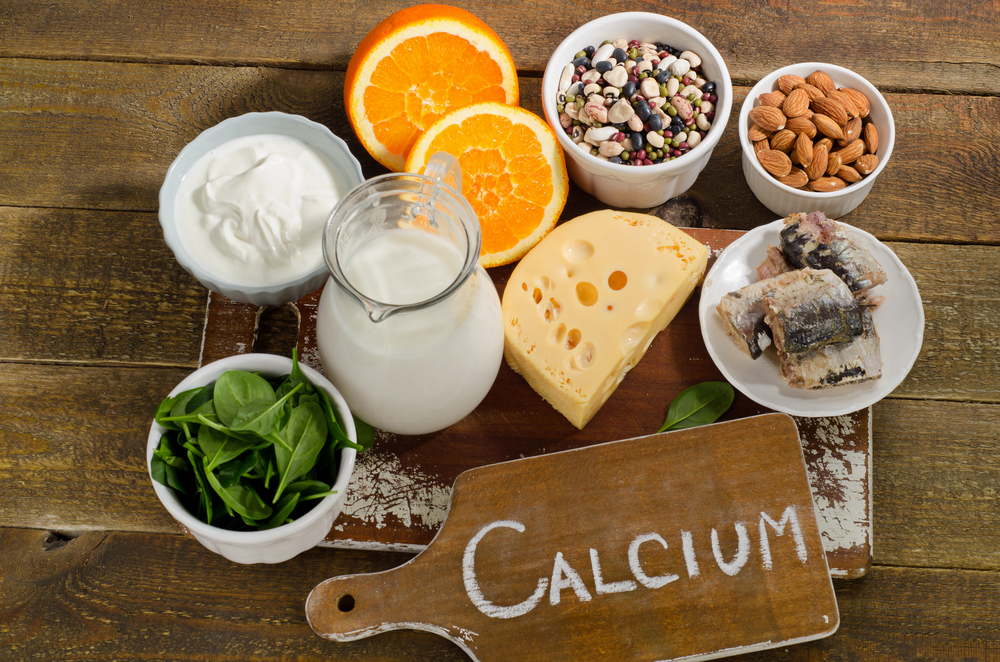
Many dairy foods containing lactose are important sources of calcium in the diet, so if you avoid dairy products for any reason, it is important that they are replaced with suitable calcium rich alternatives. The range of lactose free dairy products available on the market mean that you can consume a low lactose, calcium rich diet very easily. Choose lactose free milk, probiotic yoghurts or lactose free yoghurts and choose naturally low lactose cheeses from the list above. If you do this you will still get enough calcium in your diet. Alternatively, if you choose non-dairy, lactose free milks including those made from soy, rice, nuts such as almonds and even coconut, it is important to ensure that you buy a brand that contains added calcium, as these products do not naturally contain much calcium. Ideally look for a variety that has 200-300mg of calcium per 250ml serve. Remember to always speak to your dietitian before making major changes to your usual diet to ensure you will not be missing out on any important nutrients!
References:
1. Savaiano DA, Boushey CJ, McCabe GP. Lactose intolerance symptoms assessed by meta-analysis: a grain of truth that leads to exaggeration. The Journal of nutrition. 2006;136(4):1107-13.
2. Suarez FL, Savaiano D, Arbisi P, Levitt MD. Tolerance to the daily ingestion of two cups of milk by individuals claiming lactose intolerance. The American journal of clinical nutrition. 1997;65(5):1502-6.
3. Shaukat A, Levitt MD, Taylor BC, MacDonald R, Shamliyan TA, Kane RL, et al. Systematic Review: Effective Management Strategies for Lactose Intolerance. Annals of Internal Medicine. 2010;152(12):797-803.